How to improve banana ripening to increase retail sales by 25–33%

2 mins.

In North America and Europe, the usual banana ripening process requires specialised ripening chambers. Bananas are harvested green, transported green, and arrive at distribution centres in palletised boxes.

These boxes are placed in pressurised ripening chambers, where:

  • the temperature is precisely controlled,

  • ethylene is applied to initiate the ripening process,

  • and air flow is regulated during the so-called ripening cycle, which usually lasts between 4 and 7 days (most commonly 5 days).

Various marketing studies have shown that proper ripening has a direct impact on sales:

  • Colour 5 (yellow with green tips) → +33% sales compared to green fruit.
  • Colour 4 (more yellow than green) → +25% sales.

Even so, many wholesalers continue to deliver fruit that is too green in order to ‘gain shelf life’. The result is the opposite:
the fruit stays on the shelf too long, darkens before ripening properly, and ends up being discarded.

Optimising the ripening cycle allows bananas to be delivered in colour 4 or 5, with excellent shelf life at the point of sale and greater consumer satisfaction. This is part of the type of processes we work on within our consulting services.


Key Factors for Effective Ripening

Proper control of the following elements ensures uniform ripening and good shelf life at retail:

✔️ Fruit Temperature in the Ripening Room

A stable and appropriate temperature allows the biochemical process to progress correctly without excessively accelerating senescence.

✔️ Ethylene Application

Ethylene must be distributed evenly to activate ripening in a controlled and uniform manner.

✔️ Relative Humidity

Adequate humidity reduces dehydration and prevents defects such as premature spotting or browning.


Color Uniformity: Key to Preventing Losses

One of the most common causes of lost sales is color inconsistency, either within the same box or between different boxes. This lack of uniformity creates a poor visual appearance at the point of sale and reduces product turnover.

To achieve optimal uniformity, it is essential to control:

  • Ethylene concentration

  • Air volume

  • Airflow through the boxes

Projects that optimize these factors typically show direct improvements in turnover, visual appeal, and margins, as demonstrated in several of our case studies.


Result: More Sales, Faster Turnover, Higher Profitability

By integrating both aspects — achieving the right color at the point of sale and ensuring color uniformity — the following results can be achieved:

  • Significant sales increases (25–33%)

  • Faster shelf rotation

  • Reduced fruit waste

  • Higher margins for producers and distributors

To analyze how to optimize ripening within your supply chain, you can contact our team through the contact page.

FruitProfits is a consulting firm specialized in value processes, marketing, and technology for fruit and vegetable production, operating across the European Union, North Africa, and Latin America.
Urgent research challenges to meet the growing demand for fresh produce

3 mins.

Earth Day reminds us of the urgent need to manage the planet’s limited resources responsibly. In this context, farmers and agri-food companies face an increasingly complex challenge: producing more fruits and vegetables with fewer resources—less land, less water, fewer inputs, fewer pesticides, less labor, and less capital—while the global population continues to grow relentlessly.

Every 12–13 years, the planet adds another one billion people, significantly increasing demand for fresh produce. This growth is particularly evident in Asia, where land availability is extremely limited due to urban expansion and geographic constraints.


Larger Cities, More Distant Production Centers

Today, more than 50% of the world’s population lives in cities, and by 2030 this figure is expected to reach 60%, with urban areas ranging from 100,000 to 500,000 inhabitants.
The consequence is clear: production centers are increasingly distant from consumption centers, raising the strategic importance of logistics, packaging, and postharvest preservation.

Supplying this growing population with increasingly limited resources requires a clear and strategic horticultural research agenda for the coming years.


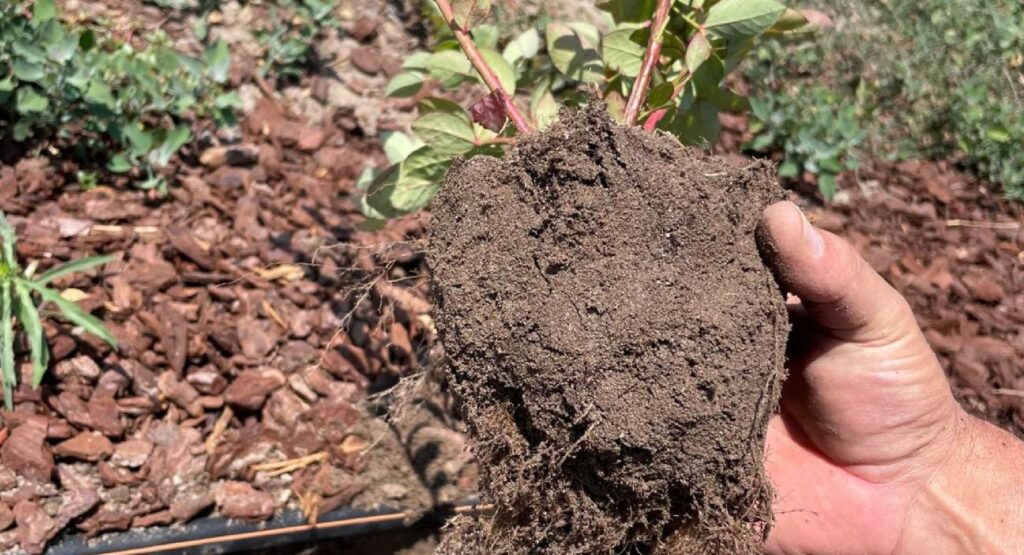
1. Soil, Water, and Sustainable Agriculture

High-quality agricultural land is a scarce resource. Issues such as:

  • Poor soil structure

  • Inadequate drainage

  • Salinity

  • Soil-borne diseases

severely limit the area that is truly suitable for cultivation.

Water availability is also increasingly constrained, particularly in tropical and subtropical regions. In coastal areas, saline intrusion further reduces access to high-quality water.

Research priorities include:

  • Development of substrates and soilless cultivation systems for regions with favorable climates but unsuitable soils.

  • More efficient and sustainable desalination technologies, which are critical for arid and semi-arid regions.

  • Soil conservation and fertility programs aimed at preventing degradation, compaction, and erosion.

These challenges are reflected in many of the technical assessments we conduct as part of our consulting services.


2. Biological Control and Emerging Pest and Disease Threats

The reduction in pesticide use is now a global reality, driven by both regulatory pressure and consumer demand.
However, biological control still requires decisive progress in two critical areas:

  • Proven and replicable effectiveness

  • Consistency of results

In addition, some diseases cannot be controlled even with chemical treatments, including:

  • Fusarium oxysporum f. sp. cubense Tropical Race 4 (TR4) in bananas

  • Mycosphaerella fijiensis (resistant to conventional fungicides)

This situation represents both a major scientific challenge and a significant business opportunity.


3. Postharvest and Loss Reduction

Global urbanization has made postharvest handling a critical area of research: between 30–40% of fruits and vegetables are lost after harvest.

Key priority areas include:

  • Postharvest biological control

  • More effective modified atmosphere packaging

  • Ethylene absorbers

  • Advanced ripening systems

  • More efficient cold-chain technologies

These types of innovations have a direct impact on business performance, as demonstrated in several of our case studies.


4. New Varieties: Quality, Shelf Life, and Resistance

Genetic improvement is currently one of the most profitable fields within the horticultural industry. Public breeding programs have seen significant funding reductions, meaning that most genetic innovation now comes from private companies.

Breeding priorities include:

  • Greater disease tolerance

  • Improved fruit quality

  • Extended shelf life

  • Reduced chilling requirements

These advances are essential to feed a growing population while using fewer resources.


Conclusion: Science, Technology, and Business Opportunities

The challenges are substantial: limited resources, rising demand, rapid urbanization, and emerging phytosanitary threats.
At the same time, they represent major business and research opportunities for those who invest in innovative solutions.

To explore how these solutions can be integrated into your company or to analyze technological opportunities, you can contact us through the contact page or learn more at FruitProfits.

How to accelerate the adoption of innovation in the fruit and vegetable sector

3 mins.

Why do we continue to find fruit varieties with poor flavor when tastier alternatives already exist? Why do we still see packaging that fails to protect fruit properly, even though more advanced technologies are available?
These are questions that many professionals in the fruit and vegetable sector ask themselves every day. Although the benefits of adopting new technologies are clear, their implementation within companies progresses far more slowly than expected.

The diffusion of innovation is a topic widely studied in business schools, as it directly influences economic development and business competitiveness. In this analysis, we explore why innovation is so difficult to implement and what companies can do to accelerate this process.


The Company as a System: Technology, People, and Costs

Every innovation is introduced into a business system with specific economic objectives. Following the vision of W. E. Deming, a system is a set of interrelated processes working together to achieve a common goal.
This means that optimizing one part of the system does not necessarily optimize the system as a whole.

Example 1: The Purchasing Department

If a cheaper package is purchased but provides poorer protection for the fruit, the initial savings are offset by increased claims and customer losses. What appears to be a short-term saving becomes a global loss for the system.

Example 2: New Varieties Without Internal Coordination

Introducing a new variety without coordinating with the sales team can generate production peaks that the market cannot absorb. Fruit accumulates, quality declines, and complaints arise from both producers and customers.

The key is not to choose the most advanced technology, but the one that best fits the system, with the lowest total cost (operational + human) and the lowest risk of failure.


What to Consider Before Adopting an Innovation

When a company considers how to improve fruit shelf life, for example, the solution may come from different approaches:

  • Investing in genetic improvement

  • Designing better packaging

  • Improving logistics to reduce cooling and transport times

  • Increasing cold storage capacity

  • Or a combination of all the above

In many cases, human improvements are more important than technological ones:

  • A positive working environment

  • Clear objectives

  • Proper training

  • Reliable tools

A clear example is inventory management: errors in this process cause delays, loss of shelf life in cold rooms, and quality deterioration. This does not require advanced technology, but rather a well-managed process.

Similarly, a motivated sales team with up-to-date field information and strong alignment with purchasing can achieve better quality outcomes than introducing a new variety or new packaging.

Production planning before the start of the season helps avoid peaks, improve coordination with retailers, and ensure quality. This type of planning is part of the strategies we develop within our services.


Recommendations to Accelerate Innovation Adoption

To answer the key question—how to accelerate innovation adoption—here are several recommendations applicable to any horticultural company:

✔️ Study the Entire System

From genetics and production to packaging, transport, and distribution.
This helps identify where innovation can deliver real improvements.

✔️ Clearly Define the Objective

Before selecting technology, the company must know what it wants to achieve and seek the easiest and most cost-effective solution.

✔️ Compare Technological Alternatives

Analyze different approaches to the same objective and choose the option with the lowest total cost and operational complexity.

✔️ Assess Financial Viability

Evaluate whether the technology is economically viable and how long it will take to recover the investment.

✔️ Consider the Human Impact

Determine how the innovation will affect staff, whether it will make their work easier, require additional training, or generate resistance.

✔️ Coordinate the Entire Value Chain

Changes in packaging, production, or logistics must be aligned with all actors in the chain, including retail.
Many of these aspects are regularly reviewed in the case studies we analyze at FruitProfits.


Conclusion

Accelerating the adoption of innovation in the horticultural sector requires understanding that a company is a complete system, where improvements must be integrated across all processes and the people involved.
Technology can act as a catalyst, but its success depends on coordination, economic viability, and human adaptation.

To explore innovation strategies, productivity improvement, and technological development in fruit and vegetable operations, you can contact our team through the contact page or visit FruitProfits.

Reducing post-harvest losses: the great missed opportunity in fruit and vegetables

3 mins.

Postharvest losses represent one of the greatest inefficiencies in the global fruit and vegetable supply chain. A significant share of fresh produce is lost after harvest due to physiological causes (dehydration, chilling injury), pathological causes (fungi and bacteria), and physical damage (impacts and mechanical injuries). In many cases, these causes are interrelated: a mechanical injury can trigger decay during transport.

The figures are striking:

  • In developing countries, 20–40% of fresh produce is lost.

  • In developed countries, losses range between 10–15%, depending on the crop.

  • In the European Union alone, postharvest fruit losses represent €4 billion in lost value.

These losses push many producers to harvest fruit green or immature to avoid damage during transit. The result is poor quality at the point of sale, fruit with little flavor, and dissatisfied consumers.


A Global Opportunity: Postharvest Technology for Quality Fruit

Chemical postharvest solutions can reduce decay, but their use is highly restricted in some markets—especially in Europe—due to authorization limitations, food safety requirements, and waste management issues in packing facilities.

This creates a multi-billion-euro business opportunity for technologies that can ensure:

  • Effective protection during transport without the development of decay

  • Compliance with food safety standards

  • Delivery of ready-to-eat fruit with proper maturity and good visual quality

Such solutions require an integrated “from seed to supermarket” approach, as many preharvest factors strongly influence postharvest behavior. This approach is a core part of the improvement methodology applied in our consulting services.

An effective technology portfolio would include:

  • Protective postharvest products

  • Coatings and application systems

  • New packaging materials and designs

  • Ripening and degreening technologies

  • Advanced cold storage systems


The Postharvest Management Challenge: Massive Global Losses

Postharvest losses affect the entire world, not only developing countries. Some key figures include:

  • 10–20% of grain is lost annually due to poor storage (ADM, 2010).

  • In Southeast Asia, postharvest rice losses range from 10–37%.

  • In Africa, cereal losses range between 11–18%, depending on the crop.

  • Postharvest potato losses in Asia reach 23–27%.

For fruits and vegetables—far more perishable products—the figures are even more severe:

  • Tomatoes in Egypt: 27–43% losses

  • Vegetables in Southeast Asia: 13–20%

  • Mangoes in tropical countries: 15–70%, depending on the season

In India and China:

  • Citrus and mango: 15–25%

  • Cabbage: 20–25%

  • Tomato: 20–35%

In developed countries, total losses—from the field to retail storage—reach 12%, and can rise to 20% in supermarkets and foodservice.

In addition, fruit that degrades but is not discarded loses value when downgraded from Category I to Category II, reducing revenues by an additional 10–20%.

Despite its scale, this problem has received limited attention: 95% of agricultural research funding is still allocated to production, while only 5% is devoted to postharvest research (UC Davis, 2010).


Improving Quality: Flavor, Color, and Shelf Life

One of the most common consumer complaints is poor fruit quality at retail: lack of flavor, excessive firmness, mealy texture, insufficient color, or advanced senescence.

To reduce losses, producers increasingly harvest fruit at an immature stage. While this limits transit damage, it destroys the eating experience.
The outcome is flavorless fruit, dissatisfied consumers, and declining sales.

Ripening rooms are widely used for bananas, but much less so for mangoes, avocados, or stone fruit. In citrus, degreening is used to remove chlorophyll and reveal orange coloration.

When properly designed, ripening systems can significantly improve quality:

  • Better flavor

  • Improved color

  • Greater juiciness

  • Higher end-consumer satisfaction

Some of these processes can be seen in real-world projects featured in our case studies.


Food Safety and Environmental Sustainability

Postharvest products represent a very small share of total agricultural inputs, yet they are the most visible and carry the highest regulatory risk.
Errors in concentration, coverage, or equipment calibration can lead to excessive residues—something European retailers reject even when legal MRLs are not exceeded.

There is also an environmental challenge: solutions applied through “shower” or “cascade” systems must be disposed of at the end of the day.
Zero-spillage application technologies already exist—such as those developed in Spain—but their adoption remains limited.


Conclusion: A Strategic Opportunity for the Sector

The combination of:

  • Significant postharvest losses

  • Insufficient quality at the retail level

  • Growing concerns about food safety

  • The environmental impact of waste

highlights a clear business opportunity in postharvest technologies that can reduce losses, improve quality, and increase profitability across the fruit and vegetable supply chain.

If you would like to explore how to reduce losses, improve processes, and optimize quality within your supply chain, you can contact our team directly through the contact page.

FruitProfits is a consulting company specialized in postharvest technology, helping clients worldwide reduce costs, minimize losses, and improve quality throughout the value chain.

Investing in agriculture: practical guidelines for non-agricultural investors

3 mins.

Investing in agriculture is gaining interest among investment funds, particularly in response to the uncertainty and volatility affecting many traditional financial instruments.

For several decades, agriculture—with some exceptions—has not been considered a strong investment. The continuous decline in wholesale prices, combined with steadily rising input costs (agricultural fuel, fertilizers, seeds, pesticides), climate volatility, water restrictions, and limited labor availability have made the sector a risky and complex activity with a high probability of financial losses.

This situation is reflected in two clear indicators:

  • Average farmer age: In many developed countries it exceeds 60 years, and in some cases even 65. There is no sufficient new generation to replace them.

  • Abandonment of agricultural land: In several developed countries, many farms are being abandoned because product prices do not cover production costs.

However, this long-term trend of low prices—affecting both food products and agricultural land—experienced over the past 30 years is expected to change in the near future, leading to agricultural product shortages. The main driver is global population growth, particularly in Asia, along with increasing competition for resources.

Future agriculture will need to produce with:

  • Less water

  • Less land (due to competition with urban development and protected areas)

  • Fewer fertilizers (due to rising oil prices)

  • Less petroleum-based plastics

  • Fewer available chemical products (due to stricter residue regulations)

  • Less labor

With land prices depressed in many regions of the world and ongoing global financial uncertainty, investing in agriculture may represent a solid option for diversification and for adding stability to an investment portfolio.


Key Considerations for Non-Agricultural Investors

Investing in agricultural assets requires thorough analysis, especially for those unfamiliar with the sector. The following are the key aspects that should be carefully evaluated:


1. Land Selection

Not all farmland is the same. Productivity can range from 1–2 tons per hectare to 8–10 tons per hectare in land dedicated to cereal crops.
Before purchasing, it is essential to conduct a comprehensive soil profile analysis, including structure, fertility, drainage, water availability, and the presence of contaminants or persistent pesticides.


2. Crop Selection

Choosing the right crop is critical. The first decision is whether to invest in perishable or non-perishable products.
Fruits and vegetables generally offer higher productivity per hectare but require additional infrastructure such as storage facilities and cold rooms.


3. Irrigated vs. Rainfed Land

Rainfed land is more affordable and requires less infrastructure, but it depends entirely on rainfall, which can make the difference between profit and loss.

Irrigated land is more expensive and requires reliable water availability, infrastructure maintenance (pumps, pipes, etc.), and water usage fees. However, it provides more stable and predictable production.


4. Logistics

Proximity to major cities or ports is a decisive factor.
With rising fuel costs, being close to markets—whether by road or sea—can determine whether a project is profitable or unviable.


5. Labor and Management

Investing in agriculture is not just about acquiring land—it is about people.
Field workers, drivers, harvest crews, supervisors, and managers are all required. Agricultural labor availability is increasingly limited and competition for skilled workers is expected to intensify.


6. Production vs. Processing

Agri-food processing is often more stable and profitable than primary production.
It is less dependent on climate, diseases, or field-level risks.
Processed products—such as canned goods, dehydrated products, frozen foods, purées, juices, and similar items—can be stored for months or years, with margins generated from processing rather than cultivation.


7. Food Safety and Traceability

Food safety is a fundamental requirement for any agricultural or food operation.
Vertical integration—through acquisitions or strategic partnerships—is a common approach to ensure traceability and integrity throughout the entire value chain.


Conclusion: How to Invest in Agriculture Effectively

There are many additional factors to consider before investing in agriculture.
For investors without sector experience, our recommendation is to partner with an agricultural investment expert who, together with a financial analyst, can properly assess opportunities, value assets, and help avoid costly mistakes.

FruitProfits is an agri-industrial consulting company that advises clients on technology, markets, and agricultural investments.

For further inquiries: manuel.madrid@fruitprofits.com

Incremental innovation and radical innovation in horticulture

2 mins.

Innovation is one of the most decisive drivers for maintaining competitiveness in the fruit and vegetable sector. The concept gained widespread attention through the work of C. Christensen, a professor at Harvard Business School, who in his book The Innovator’s Dilemma explained how established companies often face significant barriers when it comes to innovation.

These organizations—typically mature and operating at substantial scale—are usually very effective at adopting incremental innovations, meaning small, continuous improvements to products or processes. However, this same approach often makes it difficult for them to anticipate radical innovations, which tend to emerge from smaller, more agile companies capable of completely transforming a market.


What Is Incremental Innovation in Horticulture?

Well-established companies in the sector typically focus on improving existing products through:

  • New designs and packaging

  • Increased capacity or enhanced functionality

  • New applications for the same product

  • Optimization of production processes

  • Improved quality control systems

  • Adoption of already proven postharvest technologies

These incremental improvements help maintain or increase prices and sales, but they are easily replicated. Within a few years, they become standard practices across the horticultural market.

Common examples include improvements in the application of crop protection products, more advanced use of biological control, or packaging solutions that better protect fruit during transport.

These types of incremental improvements are part of the core strategies we analyze in depth through our consulting services.


What Is Radical Innovation and Why It Transforms the Sector

Radical innovation emerges when a new technology delivers a product with similar—or slightly inferior—features at a dramatically lower cost, fundamentally changing the rules of the market.
These breakthroughs can displace established competitors or significantly reduce their market share.

A classic example outside the sector is the emergence of the MP3 format compared to incremental improvements in CD players.

In horticulture, radical innovation has primarily come from two main avenues:


1. Genetic Improvement

This is the most powerful transformative force in the sector. Some examples include:

  • Del Monte’s “supersweet” pineapples, varieties with consistently high sugar content throughout the year.

  • The strong growth of the blackberry and raspberry market in the United States (10–20% annually), driven by varieties with improved shelf life and better postharvest performance.

These innovations completely reshaped market dynamics, boosting consumption and expanding commercial windows.


2. New Transport and Preservation Technologies

Some non-genetic innovations have also been radical in nature:

  • The introduction of controlled atmosphere (CA) technology for maritime transport from distant origins such as Chile.

  • Advances that made it possible to ship sensitive fruit over long distances while maintaining quality.

These technologies continue to create significant competitive differences among marketers today.
Real-world examples of how such innovations impact the production chain can be seen in our case studies.


Why Companies Must Monitor Radical Innovation

A horticultural company cannot rely solely on incremental improvements if it wants to maintain its market position.
At a minimum, it must closely monitor radical innovations that have the potential to redefine the sector and, whenever possible, participate in their development.

Companies that are able to anticipate and adopt these innovations typically gain strong and lasting competitive advantages—an approach that forms part of our advisory processes at FruitProfits.

Optimal fruit ripeness: key to increasing sales

2 mins.

The optimal fruit maturity is one of the most decisive factors for driving sales in the fruit and vegetable sector. Numerous marketing studies show that presenting fruit at its ideal maturity stage can increase sales by up to 33%, while also generating more satisfied consumers who are more likely to repurchase and pay higher prices.

Despite this, many retail chains continue to offer fruit that is too green, with limited color, aroma, or sugar development. The usual justification is that this extends shelf life at retail. However, this approach comes with a hidden cost: immature fruit remains on display longer, loses organoleptic quality, and ultimately goes unsold. Consumers, in turn, are left dissatisfied and reduce their purchase frequency.

The good news is that achieving optimal maturity does not require inaccessible technologies, but rather professional and integrated management of harvesting, transport, and distribution, as implemented in many of the improvement projects we carry out at FruitProfits.


How to Achieve Optimal Maturity in Fresh Fruit

There are three fundamental steps to ensure that fruit reaches the point of sale in optimal condition.


1. Adjust Harvesting Criteria

This process must be carried out in close coordination with the grower.
The harvesting criteria commonly used often lead to fruit being picked too early, preventing it from reaching optimal flavor, aroma, and sugar content.

Sugars and aromatic compounds enter the fruit mainly during the final stages of ripening.
If fruit is harvested too early, it will never reach ideal quality, regardless of the treatments applied afterward.

Reviewing and recalibrating these criteria makes it possible to harvest fruit at a more advanced maturity stage without reducing shelf life, resulting in better consumer acceptance and higher revenues at the point of sale.


2. Transport Techniques That Reduce Losses

Transport is a critical stage. The main objective is to minimize moisture loss and reduce fruit respiration, both of which are directly associated with shelf-life reduction.

The most common techniques include:

  • Plastic packaging as a moisture barrier
  • Modified atmosphere
  • Controlled atmosphere
  • Ethylene absorbers

When properly applied, these technologies significantly reduce in-transit losses and help preserve fruit quality.
Many of these procedures are part of the technical analyses we carry out through our consulting services.


3. Controlled Ripening Before Sale

In certain cases, applying a ripening or degreening process in ripening rooms improves product color, juiciness, and flavor.

The key variables include:

  • Use of ethylene
  • Applied concentration
  • Exposure time
  • Pulp temperature during and after treatment

This step must be specifically designed for each type of fruit, as incorrect application can lead to unfavorable results.


An Integrated Chain to Maximize Quality and Sales

The combination of these three steps makes it possible to offer consumers ready-to-eat fruit with better flavor and improved visual appearance. This not only increases sales and customer satisfaction, but also justifies higher margins.

Ultimately, everyone benefits: the grower, the ripening operator, and the final consumer.
If you would like to analyze your company’s processes to improve quality and economic performance, you can contact our team through the contact page or review some of our case studies.

Fruit and vegetable marketing techniques to increase sales

3 mins.

Fruit and vegetable producers are facing a challenging environment: low prices, rising costs, and increasingly tight margins. This pressure is forcing many to rethink the profitability of their operations. In response, there are two possible paths: increasing sales or improving production efficiency. This article focuses on the first option, where marketing becomes a decisive tool for gaining competitiveness.

The following seven horticultural marketing techniques are simple to implement and have proven effective in companies that already optimize their harvesting, transportation, and commercial supply chains. Adopting them can generate visible improvements in a short period of time.


1. Point-of-Sale Tests to Demonstrate Profitability

One of the most effective ways to convince customers is to show them how much they can earn from a well-presented product.
Point-of-sale tests make it possible to measure real revenue generated, profitability per square meter of shelf space, and product performance at different price levels.
These practices are part of commercial consulting and improvement processes such as those analyzed in our services.


2. Providing Additional Product Information

When there is no clear differentiation in appearance or taste, providing information to wholesalers or consumers can directly influence purchasing decisions.
Technical datasheets, nutritional benefits, consumption recommendations, or details about the production process add value without modifying the product itself.


3. Implementing a Robust Crop Forecasting System

A reliable crop forecast allows producers to anticipate volumes, plan offers with customers, and avoid inventory peaks.
These systems collect continuous field data, fruit development indicators, and daily temperature records, generating forecasts four to eight weeks in advance.
For producers, this represents a competitive advantage that is extremely difficult to replicate.


4. Sales Planning for the Entire Season

With an accurate forecast, it becomes possible to plan the entire season with customers—volumes, quality grades, and delivery dates—avoiding both product surpluses and shortages.
This improves commercial relationships and optimizes internal logistics.


5. Harvesting at the Optimal Ripeness Stage

Harvesting fruit at optimal maturity maximizes yield per hectare and ensures the highest possible quality.
Properly ripened fruit offers higher sugar content, better aromas, and greater market acceptance.
Only leading producers can afford this approach, as they have protective systems, suitable packaging, and rapid pre-cooling processes that preserve quality throughout transport and distribution, as shown in several of our case studies.


6. Staggering Production with the Right Varieties

Each variety has a different production peak depending on its physiology and thermal requirements.
Planning staggered varieties makes it possible to:

  • Make better use of packing and pre-cooling lines

  • Manage labor more efficiently

  • Avoid production peaks that overload facilities and drive prices down

Staggering production helps both improve profitability and stabilize supply.


7. Investing in R&D as a Competitive Advantage

Investment in research and development is one of the strongest drivers of competitive advantage in fresh produce.
Many companies have maintained market leadership for decades thanks to consistent investment in innovation.
In addition, R&D conveys professionalism, long-term vision, and market leadership—factors that strongly influence purchasing decisions among wholesale buyers.


Visible Results with Fast Implementation

These seven techniques are easy to integrate into the existing processes of many horticultural companies and do not require significant investment.
Applying several of them simultaneously creates a cumulative effect, resulting in both increased sales and a direct improvement in product quality.

If you would like guidance on how to apply these strategies within your company, you can contact our team through the contact page or learn more about our methodology at FruitProfits.

Post-harvest preservation of fresh berries: keys to maintaining quality

3 mins.

Postharvest preservation of fresh berries (strawberries, raspberries, and blackberries) is one of the greatest challenges in the horticultural sector. Along with avocados and table grapes, these fruits are among the few categories whose consumption continues to grow year after year in Europe. Improvements in production, transportation, flavor, and their well-recognized antioxidant properties help explain their success among consumers.

However, their extreme sensitivity means that postharvest management requires a very strict strategy. Maintaining quality from the field to the point of sale demands precise, rapid, and well-designed technological processes.


Main Challenges in Fresh Berry Preservation

Berries share several characteristics that make postharvest handling particularly complex:

  • Highly perishable: strawberries and raspberries have an average shelf life of around 7 days at 0 °C, while blackberries average approximately 5 days.

  • Fully manual harvesting, fruit by fruit.

  • Very thin skin, highly sensitive to impacts, pressure, or any form of handling.

  • High susceptibility to fungal decay, especially Botrytis spp.

  • Intolerance to surface moisture, as condensation promotes fungal growth.

These conditions make berries arguably the most delicate fruits within the entire fruit and vegetable category. For this reason, having properly designed processes in place is essential to prevent losses.


Best Practices for Effective Postharvest Preservation

Rigorous management makes it possible to extend shelf life and ensure quality during transport and distribution. Key critical points include:

In the Field

  • Maintain proper plant health and remove any decaying fruit residues.

  • Ensure adequate drainage to prevent water accumulation and reduce disease risks.

  • Apply pre-harvest fungicide treatments during periods of high inoculum pressure and humidity.

  • Pack fruit directly in the field to avoid double handling.

After Harvest

  • Reduce the time between harvesting and cooling to less than two hours, as delays have a drastic impact on quality.

  • Cool fruit using forced-air systems to 0 °C within one hour, a critical step to slow deterioration.

  • Maintain fast inventory turnover in the packing facility to avoid unnecessary accumulation.

  • Schedule harvesting to avoid production peaks that force excessive storage, which ultimately leads to shrinkage or downgraded product.

Within the technical consulting services offered by FruitProfits, these processes are part of the standard assessments carried out for producers and companies across the sector (see more on the services page).


Innovation in Packaging for Fresh Berries

Due to the extreme perishability of these fruits, the industry has developed specific packaging solutions.
Among them, high-CO₂ modified atmosphere systems (10–15%) stand out, as they are capable of inhibiting fungal growth and extending shelf life by an additional 3 to 4 days during transport and storage.

These technologies are a clear example of how innovation applied to postharvest handling contributes to improved profitability and reduced losses, as demonstrated in many real-world projects featured in our case studies.


Varietal Development and Genetic Improvement

Over the past five years, varietal development in strawberries, raspberries, and blackberries has advanced significantly. New genetics have been introduced that offer better flavor, longer shelf life, and an improved consumer experience without compromising taste quality.

This trend is expected to continue in the coming years, allowing consumers to enjoy berries with superior flavor that reach the point of sale in better condition.
If you would like to learn how these improvements are integrated into cold-chain management and postharvest processes, you can contact our team directly through the contact page.

Producing more with less: six key technologies with high potential in horticulture

2 mins.

Horticulture is moving toward a model in which producing more with fewer resources will be essential. Sustainable horticultural technologies will play a key role in addressing a future with less water, less available land, fewer fertilizers, fewer petroleum-based plastics, fewer agrochemicals, and less labor. At the same time, global demand for fruits and vegetables will continue to grow—particularly in Asia—along with increasing expectations for higher quality products, better flavor, and longer shelf life.

In this context, the sector is relying on innovations that make it possible to optimize resources while maintaining profitability. Below are six technologies with strong growth potential within global horticulture.


1. Biological Control in Crop Production

Biological control includes solutions based on beneficial organisms that reduce dependence on agrochemicals:

  • Insects, nematodes, fungi, and bacteria for pest control

  • Beneficial fungi and bacteria that help prevent plant diseases

  • Pathogenic fungi used for weed control

This market is growing at over 10% annually, driven by demand for zero-residue products and increasing global sustainability requirements. It is one of the horticultural technologies with the strongest short-term growth potential.


2. Efficient Water Management Technologies

Irrigation automation and the use of biosensors are essential to apply only the water that crops actually need, significantly reducing waste.
In addition, sanitary engineering solutions make it possible to safely reuse greywater for irrigation, supporting a more responsible and sustainable production model.


3. Geographic Information Systems (GIS)

GIS tools enable intelligent application of fertilizers and other inputs through soil fertility mapping.
Instead of applying uniform doses per hectare, these systems adjust nutrition to the actual needs of the crop, reducing costs and minimizing environmental impact.


4. Predictive Disease Models

Mobile-connected weather stations, spore traps, and early sampling techniques make it possible to anticipate infections before they fully develop.
With this data, fungicide applications can be significantly reduced, improving efficiency while lowering residue levels.


5. Mechanical Harvesting Aids

Although fully automated harvesting still presents technical challenges, mechanical aids help speed up field work and reduce labor requirements.
These tools have become established as viable solutions, particularly in regions where labor costs are high or workforce availability is limited.


6. Biodegradable Bioplastics for Agricultural Use

Traditional plastics can accelerate crop development but generate waste that is difficult to manage.
Bioplastics based on PLA and other natural polymers offer a sustainable alternative: they do not require petroleum, are biodegradable, and can be incorporated into the soil as organic matter after use.


A Future Driven by Innovation

These sustainable horticultural technologies represent a significant opportunity for both producers and investors seeking to stay ahead of industry change. The transition toward more efficient and responsible production models opens the door to solid growth in the coming years.