


Earth Day reminds us of the urgent need to manage the planet’s limited resources responsibly. In this context, farmers and agri-food companies face an increasingly complex challenge: producing more fruits and vegetables with fewer resources—less land, less water, fewer inputs, fewer pesticides, less labor, and less capital—while the global population continues to grow relentlessly.
Every 12–13 years, the planet adds another one billion people, significantly increasing demand for fresh produce. This growth is particularly evident in Asia, where land availability is extremely limited due to urban expansion and geographic constraints.
Larger Cities, More Distant Production Centers
Today, more than 50% of the world’s population lives in cities, and by 2030 this figure is expected to reach 60%, with urban areas ranging from 100,000 to 500,000 inhabitants.
The consequence is clear: production centers are increasingly distant from consumption centers, raising the strategic importance of logistics, packaging, and postharvest preservation.
Supplying this growing population with increasingly limited resources requires a clear and strategic horticultural research agenda for the coming years.
1. Soil, Water, and Sustainable Agriculture
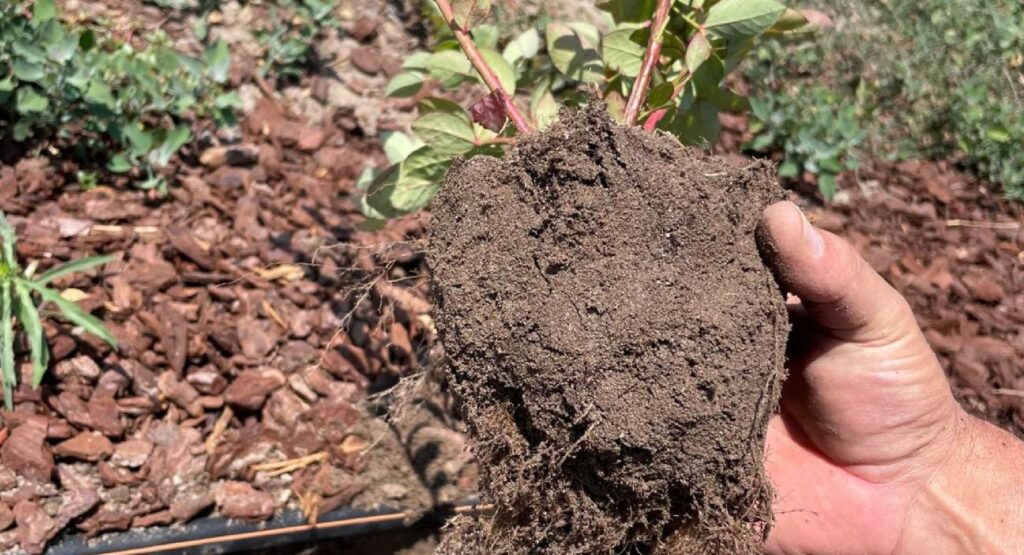
High-quality agricultural land is a scarce resource. Issues such as:
-
Poor soil structure
-
Inadequate drainage
-
Salinity
-
Soil-borne diseases
severely limit the area that is truly suitable for cultivation.
Water availability is also increasingly constrained, particularly in tropical and subtropical regions. In coastal areas, saline intrusion further reduces access to high-quality water.
Research priorities include:
-
Development of substrates and soilless cultivation systems for regions with favorable climates but unsuitable soils.
-
More efficient and sustainable desalination technologies, which are critical for arid and semi-arid regions.
-
Soil conservation and fertility programs aimed at preventing degradation, compaction, and erosion.
These challenges are reflected in many of the technical assessments we conduct as part of our consulting services.
2. Biological Control and Emerging Pest and Disease Threats
The reduction in pesticide use is now a global reality, driven by both regulatory pressure and consumer demand.
However, biological control still requires decisive progress in two critical areas:
-
Proven and replicable effectiveness
-
Consistency of results
In addition, some diseases cannot be controlled even with chemical treatments, including:
-
Fusarium oxysporum f. sp. cubense Tropical Race 4 (TR4) in bananas
-
Mycosphaerella fijiensis (resistant to conventional fungicides)
This situation represents both a major scientific challenge and a significant business opportunity.
3. Postharvest and Loss Reduction
Global urbanization has made postharvest handling a critical area of research: between 30–40% of fruits and vegetables are lost after harvest.
Key priority areas include:
-
Postharvest biological control
-
More effective modified atmosphere packaging
-
Ethylene absorbers
-
Advanced ripening systems
-
More efficient cold-chain technologies
These types of innovations have a direct impact on business performance, as demonstrated in several of our case studies.
4. New Varieties: Quality, Shelf Life, and Resistance
Genetic improvement is currently one of the most profitable fields within the horticultural industry. Public breeding programs have seen significant funding reductions, meaning that most genetic innovation now comes from private companies.
Breeding priorities include:
-
Greater disease tolerance
-
Improved fruit quality
-
Extended shelf life
-
Reduced chilling requirements
These advances are essential to feed a growing population while using fewer resources.
Conclusion: Science, Technology, and Business Opportunities
The challenges are substantial: limited resources, rising demand, rapid urbanization, and emerging phytosanitary threats.
At the same time, they represent major business and research opportunities for those who invest in innovative solutions.
To explore how these solutions can be integrated into your company or to analyze technological opportunities, you can contact us through the contact page or learn more at FruitProfits.