


The optimal fruit maturity is one of the most decisive factors for driving sales in the fruit and vegetable sector. Numerous marketing studies show that presenting fruit at its ideal maturity stage can increase sales by up to 33%, while also generating more satisfied consumers who are more likely to repurchase and pay higher prices.
Despite this, many retail chains continue to offer fruit that is too green, with limited color, aroma, or sugar development. The usual justification is that this extends shelf life at retail. However, this approach comes with a hidden cost: immature fruit remains on display longer, loses organoleptic quality, and ultimately goes unsold. Consumers, in turn, are left dissatisfied and reduce their purchase frequency.
The good news is that achieving optimal maturity does not require inaccessible technologies, but rather professional and integrated management of harvesting, transport, and distribution, as implemented in many of the improvement projects we carry out at FruitProfits.
How to Achieve Optimal Maturity in Fresh Fruit
There are three fundamental steps to ensure that fruit reaches the point of sale in optimal condition.
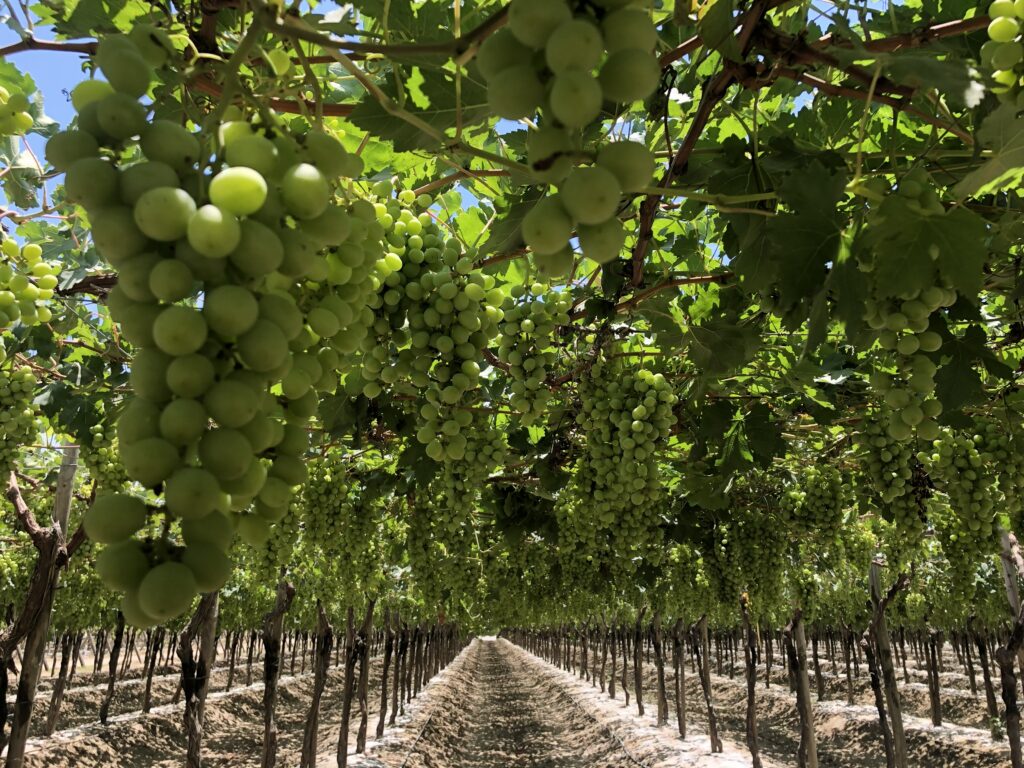
1. Adjust Harvesting Criteria
This process must be carried out in close coordination with the grower.
The harvesting criteria commonly used often lead to fruit being picked too early, preventing it from reaching optimal flavor, aroma, and sugar content.
Sugars and aromatic compounds enter the fruit mainly during the final stages of ripening.
If fruit is harvested too early, it will never reach ideal quality, regardless of the treatments applied afterward.
Reviewing and recalibrating these criteria makes it possible to harvest fruit at a more advanced maturity stage without reducing shelf life, resulting in better consumer acceptance and higher revenues at the point of sale.
2. Transport Techniques That Reduce Losses
Transport is a critical stage. The main objective is to minimize moisture loss and reduce fruit respiration, both of which are directly associated with shelf-life reduction.
The most common techniques include:
- Plastic packaging as a moisture barrier
- Modified atmosphere
- Controlled atmosphere
- Ethylene absorbers
When properly applied, these technologies significantly reduce in-transit losses and help preserve fruit quality.
Many of these procedures are part of the technical analyses we carry out through our consulting services.
3. Controlled Ripening Before Sale
In certain cases, applying a ripening or degreening process in ripening rooms improves product color, juiciness, and flavor.
The key variables include:
- Use of ethylene
- Applied concentration
- Exposure time
- Pulp temperature during and after treatment
This step must be specifically designed for each type of fruit, as incorrect application can lead to unfavorable results.
An Integrated Chain to Maximize Quality and Sales
The combination of these three steps makes it possible to offer consumers ready-to-eat fruit with better flavor and improved visual appearance. This not only increases sales and customer satisfaction, but also justifies higher margins.
Ultimately, everyone benefits: the grower, the ripening operator, and the final consumer.
If you would like to analyze your company’s processes to improve quality and economic performance, you can contact our team through the contact page or review some of our case studies.